
- 2025
- Conversations
‘We Built It Ourselves’: National Panel on Legacy, Resources and Going Beyond the Industry
A conversation with Maxwell D, Biggoss, Denise Stanley and Lyle Bignon
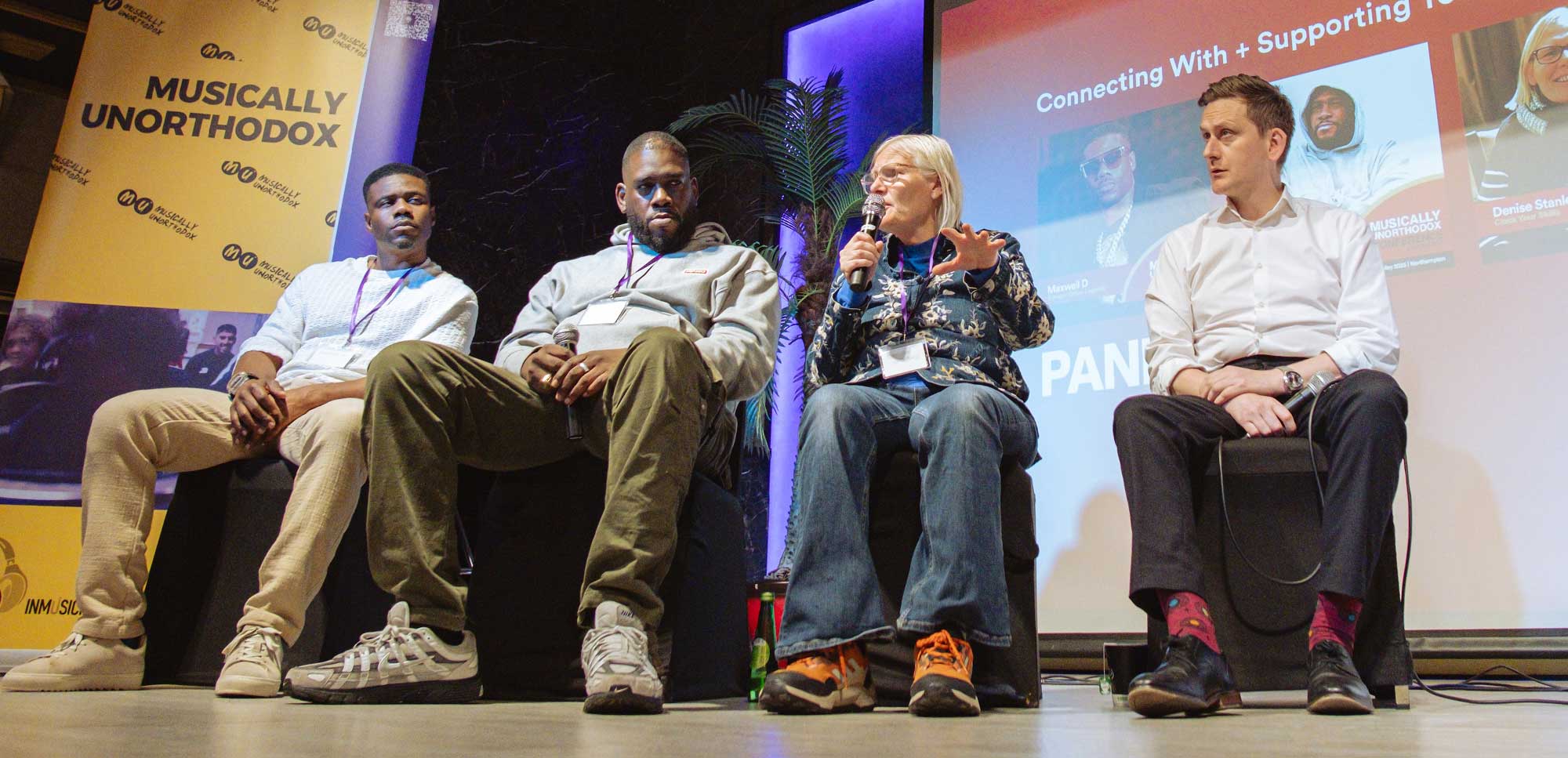
The first panel of the morning was local. People building things in and around Northampton, often with no budget, always with deep relationships.
The second panel was national. People who have built things across the UK and beyond. But the throughline was the same.
“When we was doing it, we didn’t really know what we was doing.”
That was Maxwell D, speaking not from humility but from history. A founding figure of UK grime, part of the generation that created a genre from nothing because the industry wasn’t interested. Wiley. Dizzee. DJ Target. Maxwell D was in that room.
Twenty years later, he runs a music workshop called Serious World. He goes into prisons, universities, schools. He teaches eight-week programmes that cover not just music, but trademarks, interviews, PRS, PPL, contracts.
“I don’t just do music. I teach them business as well.”
Why?
Because when he was starting out, nobody did.
“If I had the knowledge and the wisdom that I have now, we would have been able to carve a bigger industry. Get our young people off the streets quicker. Give them real gems.”
The Knowledge That Gets Left on the Table
Biggoss runs a studio in Birmingham with MC Triller. They set it up because they were tired of dingy spaces where you couldn’t bring your family.
“We wanted to raise the bar. Have something in the city so we’re part of the musical environment.”
But the studio is just the beginning. Biggoss also ran Tapes UK, a marketing and radio plugging company. He’s taken UK artists to Atlanta, to Canada Music Week, funded by PRS. And he’s noticed something.
“A lot of artists don’t know how to send their music out. They’d send me files named ‘audio 1, 2, 3, 4, 5, 6, 7’ and expect me to find it. It didn’t work.”
He started a publishing company because he saw the credits on TV and realised: none of the staff looked like him. But the music did.
“A lot of black artists particularly don’t know about music publishing. They’re leaving a lot of money on the table that they could be using to reinvest into their craft.”
Money. Representation. Basic admin. The things nobody teaches you unless someone who’s been through it takes the time.
The Validation Problem
Denise Stanley has been trying to solve this for three decades.
In the 1980s, she ran the Lewisham Academy of Music rock and jazz musicians who’d taken over an old mortuary, teaching kids who wanted to learn. She set up a record label to train black music managers.
“All of the things you’re talking about now, for three decades I was trying to do exactly what this meeting is about. How do you scale it up? How do you connect people? How do you validate and recognise non-formal learning?”
CLOCK Collaborative Learning, Open Curriculum and Kit is her answer.
“Daniel’s video showed his non-formal learning. What CLOCK does is recognise it. Daniel, with his background, could have got a postgraduate certificate for the stuff he did when he was younger. Age doesn’t come into it. It’s what you do.”
The framework starts at the top validating experienced practitioners and works down to entry level. Level 5 is equivalent to a foundation degree. Level 1, 2 and 3 cover everything from school certificate to A levels. But the key insight is this:
“Formal education is all about you as an individual. The industry is about you as a collaborative team. In CLOCK, you learn to be part of a community.”
They run a music industry skills bootcamp in London where producers, musicians, sound engineers and marketers are put together in one group.
“Everyone builds a relationship to understand what everyone else is trying to achieve. That gives people employability skills that are transferable for any industry.”
The Gap Between Education and Industry
Lyle Bignon grew up in inner-city Birmingham, working class Irish household. He got a place at university in Dublin and decided not to go.
“The rest of my life was spent trying to avoid FE and HE.”
He ended up lecturing in music business at Birmingham City University for 12 years.
That paradox, the person who avoided formal education, teaching inside it gave him a unique view of the gap.
“The festivals and promoters desperately want to crack the younger market. And young people weren’t getting real-world industry opportunities. Partly because that was stifled by the universities trying to monetise or corporatise everything they touch.”
His solution: a framework that treats work placements as bona fide job opportunities. Artists liaison. Stage management. Content production. Teamed with mentors he respects.
“The idea is that rather than students leaving their three-year degree course firmly in their little discipline area, they get pushed out of their comfort zone. They understand what someone on the opposite side of the industry does.”
The next step? Taking it beyond FE and HE altogether.
“Non-academic young people who aspire to be industry professionals can they jump on it too? That’s the question.”
The Question Nobody Asked
An audience member raised a hand.
“A lot of what young people feel now is that it’s not worth the risk, the financial risk to try and get training. Is there any way we can tell people there isn’t as much risk as they believe?”
Denise answered with data: her bootcamp covers more than a three-year degree in 10 weeks, funded by the Mayor of London. At the end, they get job interviews.
Lyle answered with perspective: compared to 10 or 20 years ago, the options are phenomenal.
“Take a step back. Look at the breadth of the ecosystem where this career can take you. Don’t be dissuaded by the intimidating facts.”
But the question lingered. Because the risk is real. Three years and thirty grand is a lot to invest in an industry that doesn’t always invest back.
What Do We Actually Need From the Industry?
Chris asked the final question: what could the music industry do to help? Lyle didn’t hold back.
“Look beyond their own noses. There are industry bodies out there that are still London-centric, still run by white middle-aged, middle-class men. Challenge your own privilege. The industry is more responsible for wholesale change than anybody else.”
Denise offered something concrete: hire differently.
“Give a young person a three-month fixed-term contract interview who comes from projects like ours. Instead of using normal HR recruitment strategies.”
She gave an example: Paulette Long OBE needed to recruit senior black managers. She got a list of 40 black senior managers from other industries, looked at who had a music background, a faith group, a DJ side-hustle, invisible skills and hired from there.
“It’s absolutely possible. They just need to do it.”
Maxwell D was blunt.
“Record companies now? They don’t care. They’re here to make money. They understand data, not talent.”
But he wasn’t saying shut them out.
“What do we need from them? Their resources. Their connections. We don’t really need them. We need more of our people inside, the inside man to take the resources and bring it back to us.”
His advice to young people building things: get the brand association. Sony sponsored. Universal. Nike. Adidas.
“That is enough. You don’t really need them other than the resources.”
Biggoss added: it needs to be country-wide.
“It’s easy to have everything based in London. But you’ve got Manchester, Birmingham, the whole of the Midlands. Cast the net further.”
Chris nodded.
“They don’t need to build things all over the country. They need to find the things that are already built and then engage and support them.”
What This Panel Taught Us
The national panel was not a celebration of how far we’ve come. It was a diagnosis of how much further we need to go and a map of who’s already building the infrastructure.
Maxwell D, building from the legacy of grime into prisons and schools.
Biggoss, raising the bar on studio quality and chasing publishing representation.
Denise Stanley, validating non-formal learning after three decades of watching brilliant people fall through gaps.
Lyle Bignon, bridging the chasm between education and industry with work that feels like work.
None of them are waiting for permission.
“We need to start working amongst ourselves,” Maxwell said. “Stop looking up to these people for help.”
Not because the industry is irrelevant. Because waiting for it to change is not a strategy. The work is already happening. The question is whether the industry will catch-up or keep leaving money, talent and lives on the table.
Speaker details

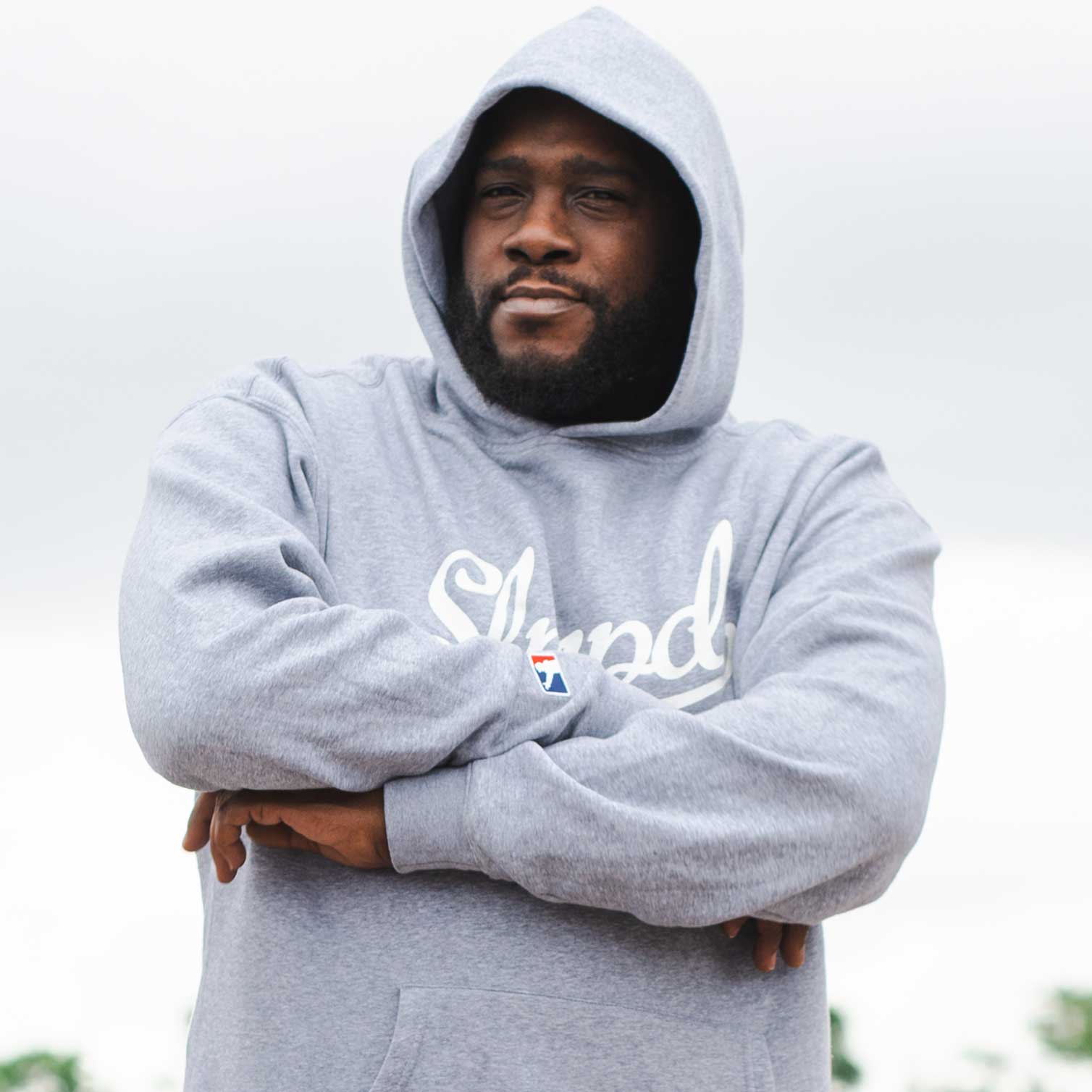
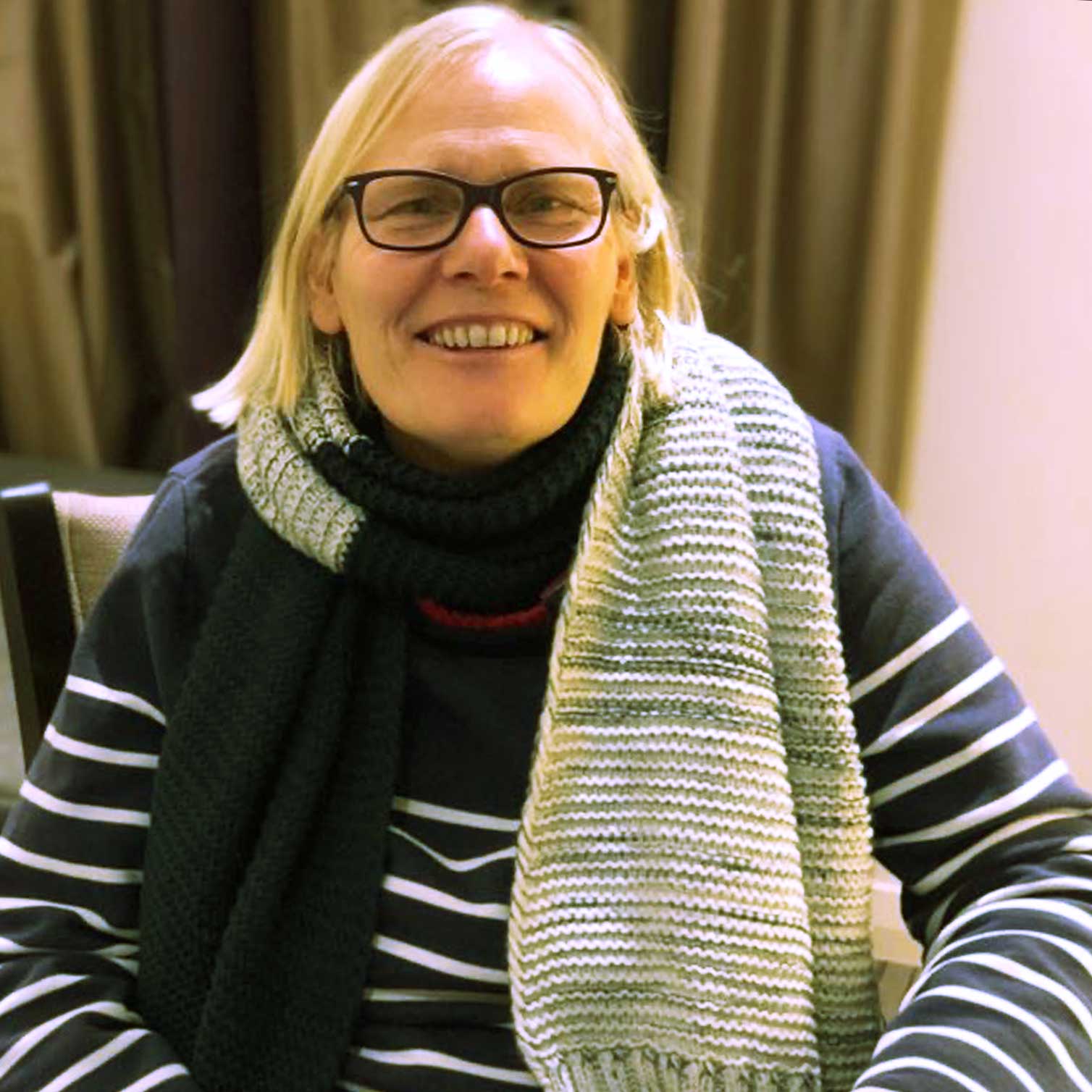
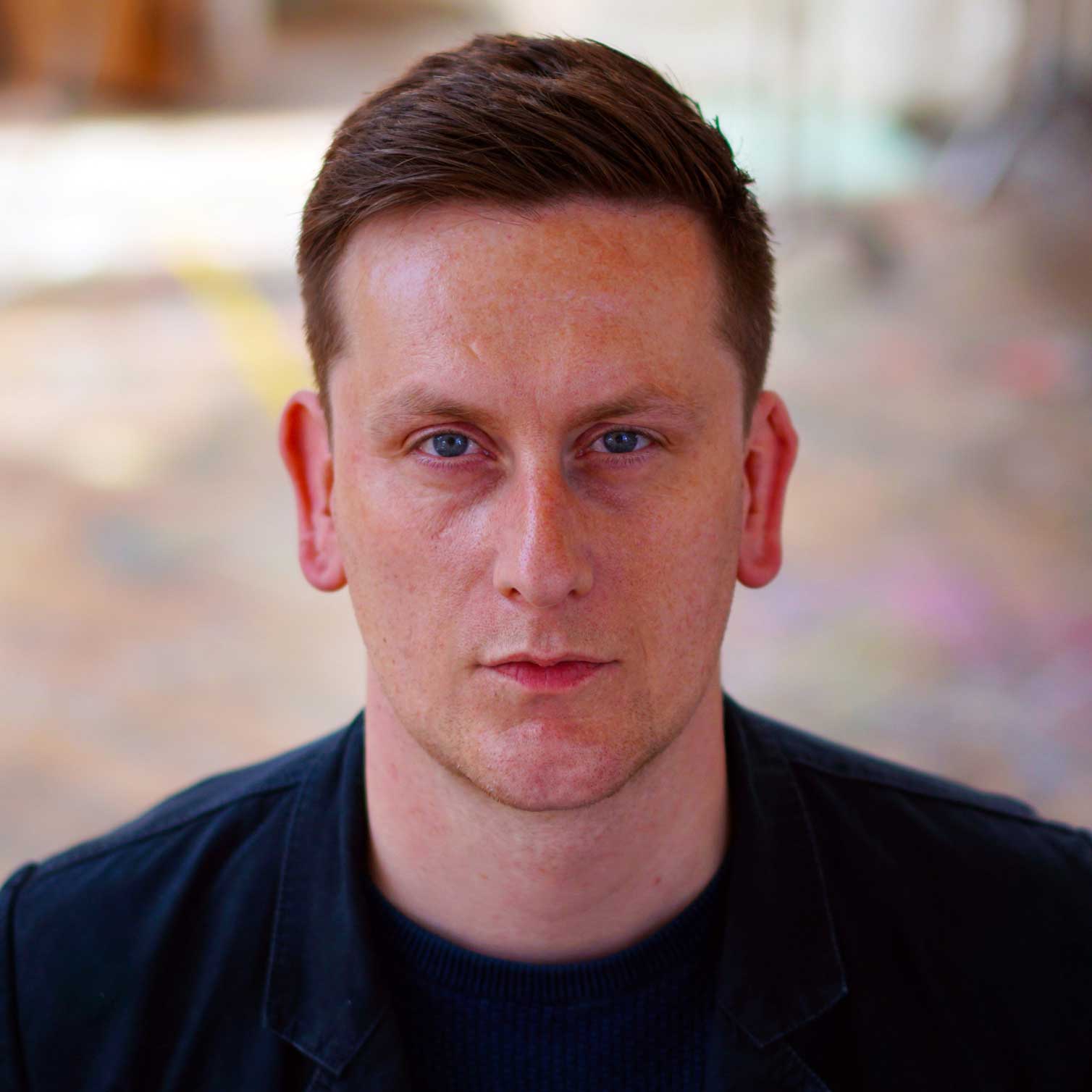
Watch full panel conversation



Musically Unorthodox Project
PLATFORM
musicallyunorthodox.com
PROGRAMMES
mucm.inmusicinmedia.com
SOCIAL VALUE
socialvalue.inmusicinmedia.com
Contact
Email: [email protected]
Tel: +44 (0) 7762 545 275