
- 2025
- Conversations
‘It’s Not Just the Music’: Northampton’s Local Talent Leaders On Building Real Pathways
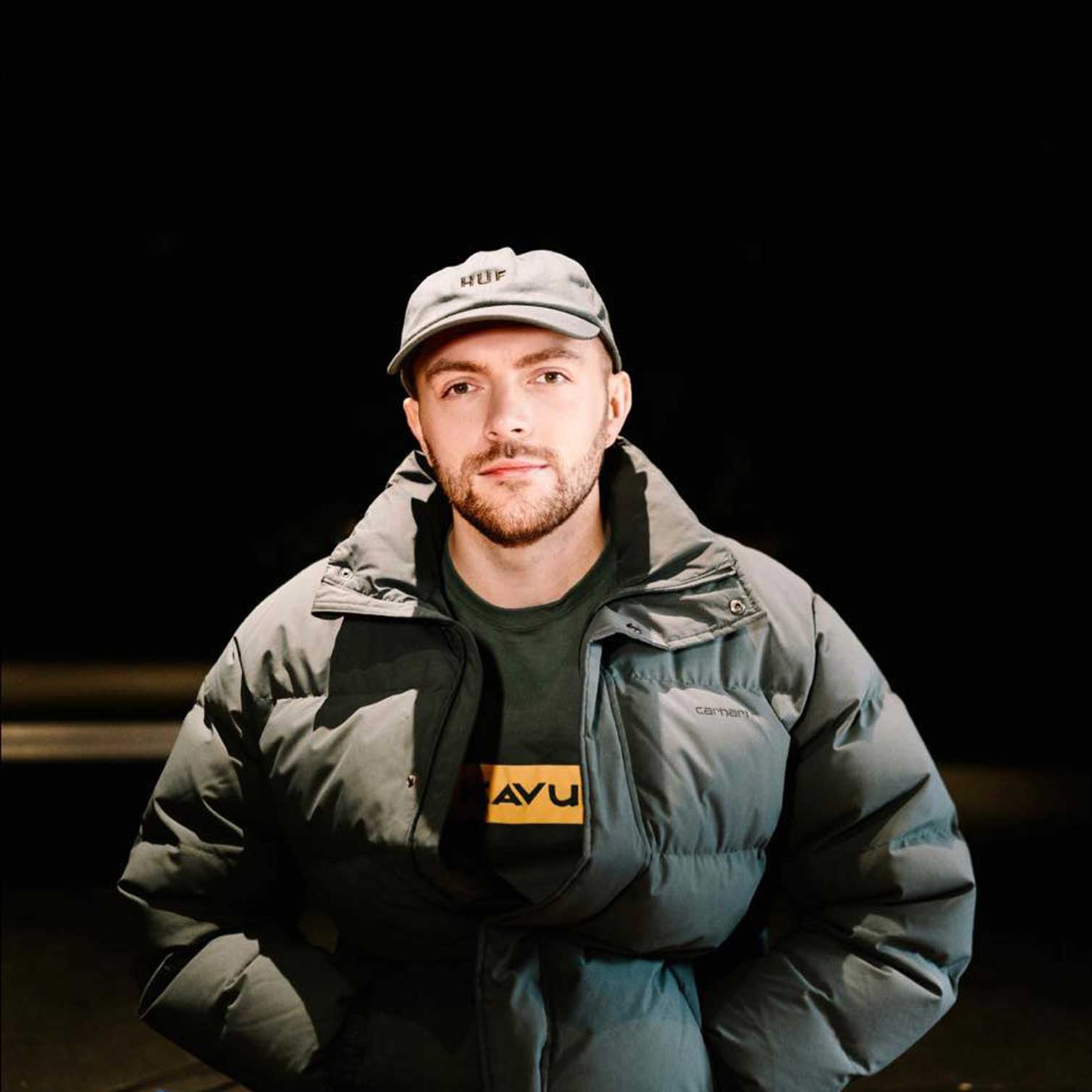
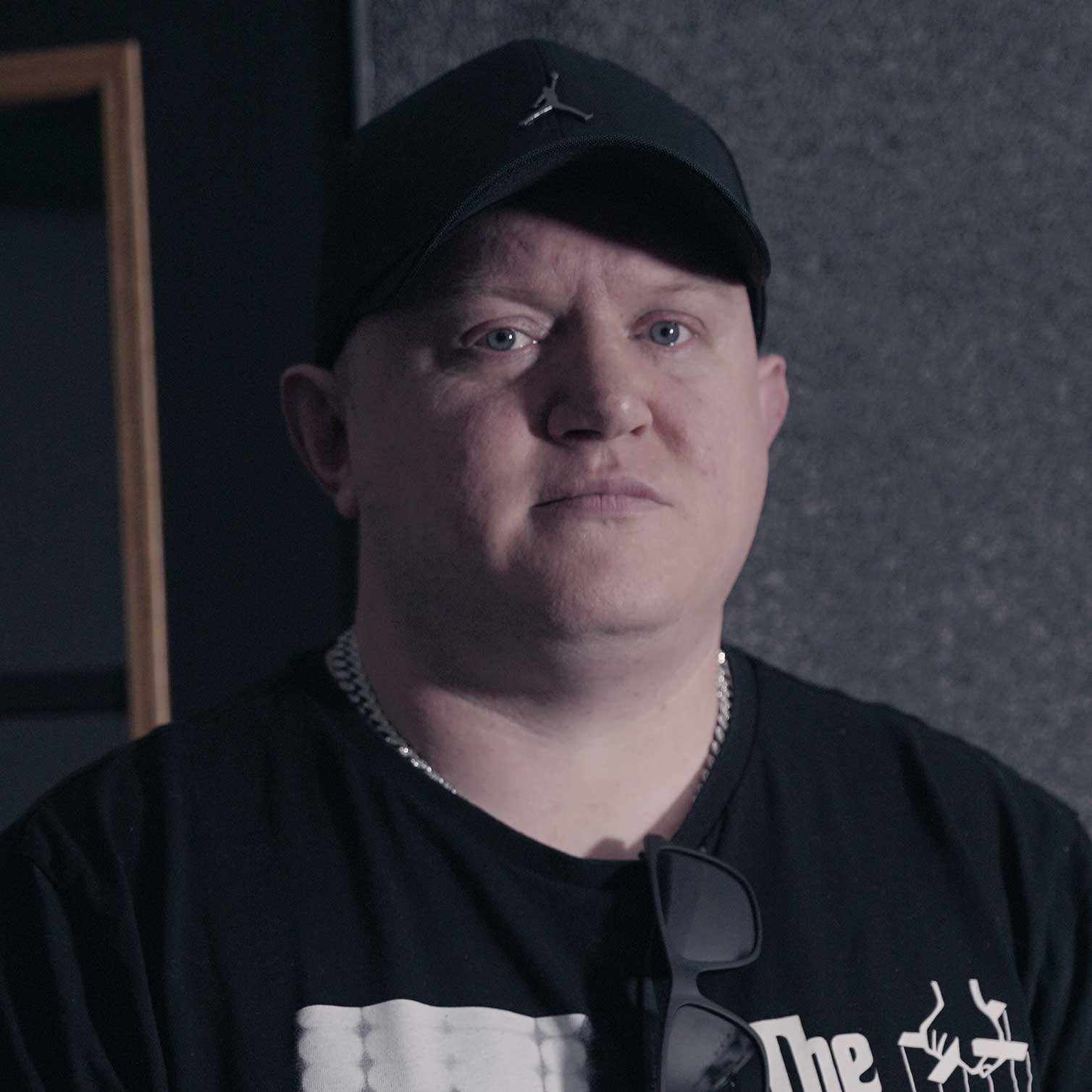
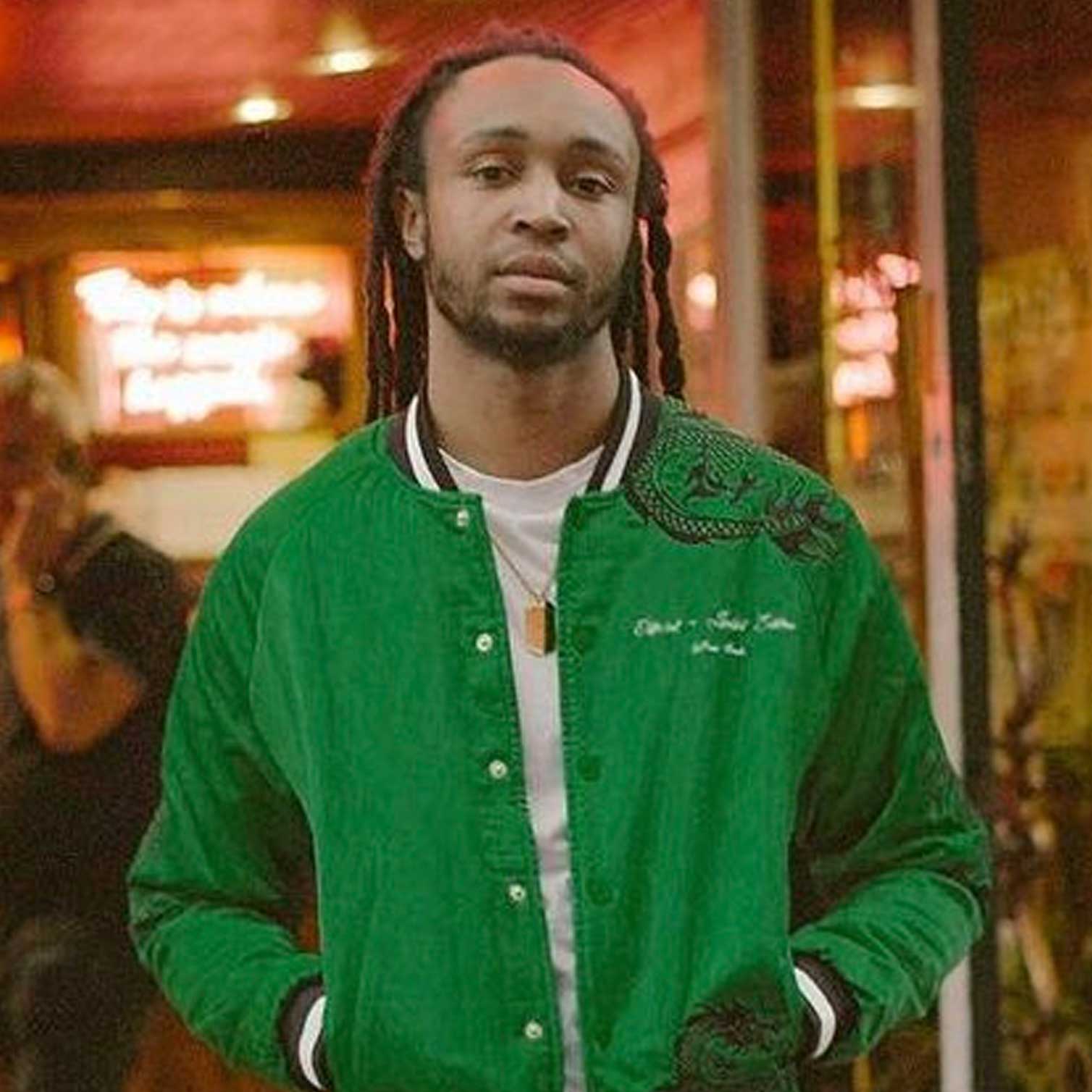
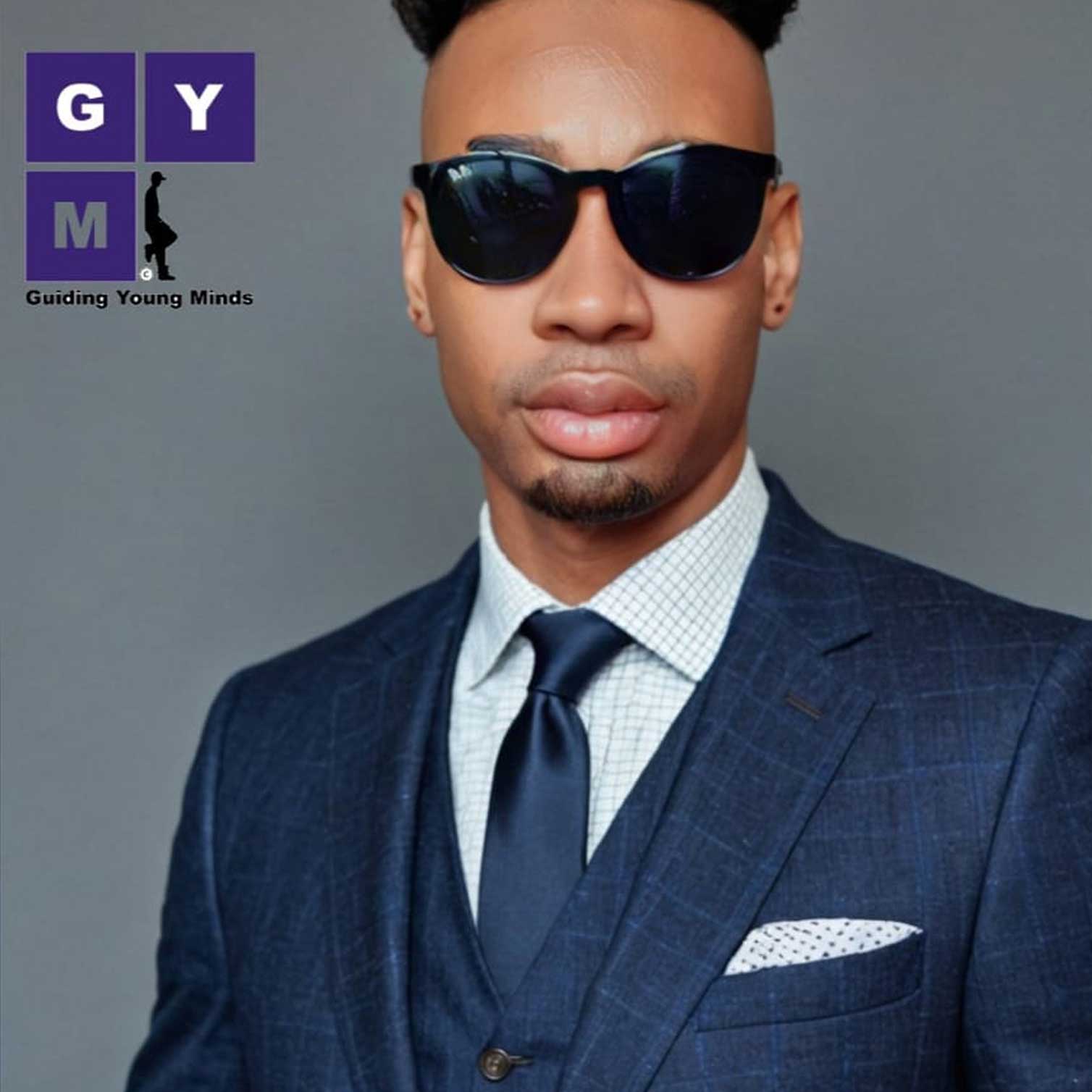
A conversation with Dreadz, Leon Denton, Connor Osborne and Anton Noble

There is a moment in the opening session of the Musically Unorthodox Conference 2025 when Chris Cooke poses a question that hangs over the entire day:
“What about all the young people who fall out of the system?”
The first panel of the morning was assembled to answer that question from the closest possible vantage point. Not from policy papers or strategy documents. From the ground.
Dreadz, Leon Denton, Connor Osborne and Anton Noble are four people doing very different things in and around Northampton. An event promoter. A BBC Introducing presenter. A youth mentor with lived experience of gang violence. Another event promoter who started his night because he was bored of the lack of options.
None of them run national programmes. None of them have multi-million pound budgets. What they have is relationships.
And what they shared in forty-five minutes was a masterclass in what the music industry consistently fails to understand:
the pathway doesn’t start when a young person walks through your door. It starts years before and if you’re not in the community, you’re not in the conversation.
‘I Felt Like There Wasn’t Enough Going On’
Dreadz didn’t wait for permission.
“I felt like there wasn’t enough going on in the town for my sort of taste and what I liked. So I thought, let me start my own event.”
Dready Jams began in 2021 at the Fat Fugu Lounge, a tattoo shop that also does live music. Since then, it has brought artists from London, Manchester, Birmingham and Ipswich to Northampton. Not because Dreadz has a formal booking budget. Because he is an artist himself, with over 3 million Spotify streams, and he networks constantly.
“I go to networking events in London. I meet people, they like my performance, and I say: ‘I also run my event in Northampton, come and check it out.’”
He is simultaneously an artist, a scout and a gateway. A triple threat, as Chris put it. But what became clear is that Dreadz is also something else: an informal educator.
“Most of them ask: how do I make money from this? How do I push my music to the masses? I show them different pathways. TikTok, Instagram, emailing playlist curators, registering with PRS and PPL. There’s loads more to it than just the music.”
‘When I Was Young, I Didn’t Have That’
Leon Denton started Lay It Down in 2017 for a simple reason.
“When I was young, I didn’t have that. I wanted to create opportunity for people that were young and just needed somewhere to go and perform.”
His memory of the Sidewinder shop, where people used to meet up to share new songs, was the blueprint. A community hub. A place to be heard. But Lay It Down is not just a stage. It is a nurture space.
“We get an array of questions. Artists with disabilities. Artists who are anxious. Artists struggling with mental health. Wellbeing is a big thing at the minute. Men especially, we lock it away, we don’t express ourselves. Music is a perfect place for it.”
Leon’s observation cut through the usual talk of streaming numbers and sync deals. Before any of that, there is a human being who needs to feel safe enough to stand in front of a room full of strangers and speak their truth.
“Music is an expression of art. You paint a picture with words. You can put a picture in someone’s mind without even showing them a picture. It’s quite a beautiful thing, really.”
‘Grime Was Our Voice’
Anton Noble is not from Northamptonshire. He came from Coventry, deliberately, because he didn’t want to start his organisation in his hometown.
“If it didn’t work, I didn’t want to feel shamed.”
It worked. Guiding Young Minds now covers nine areas of the UK. Anton grew up in a street gang. Grime was their voice.
“It was how we spoke about our traumas, our hurt, how culture was around us.”
But he makes a critical distinction. Music can be therapy, but only if you understand the trauma you’re carrying.
“If you’re not knowledgeable in the trauma you’ve been through, the words you speak is power. You’re giving your trauma to someone else. That can be trauma bonding.”
His team are not just mentors. They are trauma-informed practitioners who use their lived experience to build trust, then their training to guide young people forward.
“The young person wants to see the change I’ve made and how I got there. I use my lived experience to bond with them, but I use my knowledge to take them further.”
Music, for Anton, is not the end goal. It is the vehicle.
“You don’t even have to be an artist. You might love to write lyrics and perform, and then when you go to a job interview, you’re performing. You’re showing who you are. Music can grow a person. It can nurture a person. It can speak to your soul.”
‘It’s a Big Ecosystem’
Connor Osborne wears multiple hats: BBC Introducing presenter, youth work lecturer, drum and bass DJ. He is also refreshingly honest about the limitations of the system he represents.
“A lot of these opportunities happen in bigger cities. Places like Northampton, as much as it pains me aren’t as widely available. That’s why I’m happy this is happening today.”
He explained the BBC Introducing ecosystem: local shows feed national shows, which feed festival stages at Glastonbury, Reading and Leeds, Radio 1’s Big Weekend. It is a genuine pathway. But the gap is in the outreach.
“We’ve started a pilot programme in Coventry, mentoring young people from open access music sessions. Not just ‘is your music good enough?’ is it suitable for radio? Media training. The whole process.”
His diagnosis of the problem was precise.
“We need more cohesion between organisations. If we can get that right, then information can be passed on without any gatekeeping.”
The Gaps They Named
Across the panel, three distinct gaps emerged.
- The knowledge gap. Dreadz: “Some people don’t know about publishing. Some people might not know about royalties. They need proper mentors and workshops.”
- The school-to-scene gap. Leon: “It needs to start from schools. We need to link a pathway between the different groups and events. There’s a big gap there, they need somewhere to go and perform.”
- The ‘street’ gap. Anton: “Some kids can’t be in schools. They’re on the streets. We’ve got a youth bus. Microphones, music system. We just pull up. There’s a lot of talent on the street, but sometimes it’s in the wrong direction.”
And one more gap, raised not by the panel but by an audience member: a homeschooling mother who pointed out that children learning at home, often those who have struggled in mainstream education, have “absolutely nothing, not even one piece of paper.”
Leon’s response: “There needs to be.”
Anton’s response: “We do come into homes. We do one-to-one work.”
But the question lingered: Why are these families having to find us, rather than us finding them?
Joining the Dots
Chris Cooke returned to his central thesis: “The journey begins not at age 19, when they’re coming to you. The journey begins at age 6, age 7 in primary school.”
Leon added: “If we’re all in competition with each other, eventually it’s just gonna be one person there. There’s gonna be no community.”
Anton: “Sometimes you need someone that’s on the streets to pick up the talent.”
Dreadz: “Even me, I’m 27, some of the artists coming to my event are 22, 23. They still need help. We need places where they can come and feel free.”
Connor: “More cohesion. More collaboration. That’s when information gets passed on without gatekeeping.”
What This Conversation Taught Us
This panel was called ‘Connecting With & Supporting Future Talent – Local Dimension’. What it actually was, was evidence.
Evidence that the infrastructure for meaningful youth engagement already exists in towns like Northampton. It is not waiting to be built. It is already running on passion, on relationships, on the willingness of people who didn’t have opportunities themselves to build them for the next generation.
The question is not how to create these initiatives. The question is how to resource them, connect them, and stop making young people navigate the gaps alone.
“We are aware that what we are doing is just a stage or two of the cycle a young person goes through,” Daniel ‘HD’Johnson said in his opening film.
The panel proved that those stages are being built, daily, by people who simply refused to accept that nothing was happening.
The task now is to complete the circuit.
Speaker details
Watch full panel conversation



Musically Unorthodox Project
PLATFORM
musicallyunorthodox.com
PROGRAMMES
mucm.inmusicinmedia.com
SOCIAL VALUE
socialvalue.inmusicinmedia.com
Contact
Email: [email protected]
Tel: +44 (0) 7762 545 275