
- 2025
- Conversations
Beyond Grants: How the Pluggin Ecosystem Is Tapping a £31 Billion Seam of Social Value
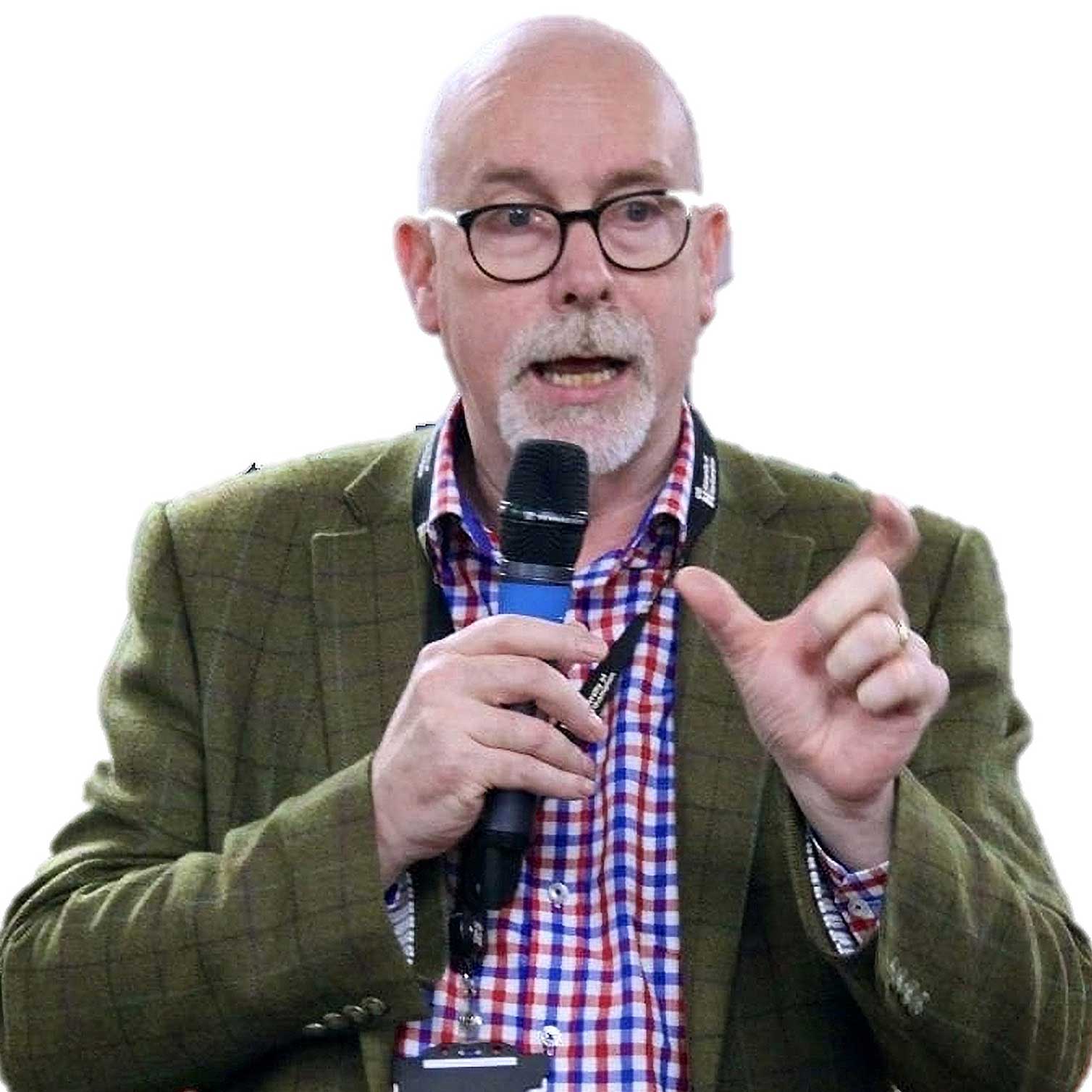
Jay Baughan FRSA on connecting public procurement, community impact, and the future of music-based youth work

Every organisation in this room knows the feeling. The project is working. The young people are engaged. The referrals are coming in. And the funding runs out in eight months.
Jay Baughan FRSA has spent the last 17 years trying to solve that problem. Not by finding more grants, not by writing better lottery bids but by accessing a source of money that already exists, is already being spent, and is legally obligated to deliver social impact.
He calls it the Pluggin Ecosystem. And it might just change how youth music organisations think about sustainability.
The Seam of Oil Nobody Is Drilling
Baughan opened his session at the Musically Unorthodox Conference with a provocative question:
“Does anybody in the room know what social value is?”
A few hands went up. But Baughan wasn’t testing knowledge. He was testing awareness of what he calls “a seam of oil that is currently out there but has yet to be tapped.“
Social value, in his definition, is straightforward: the value returned from a business into the environment or marketplace it makes money from.
Since 2013, the Social Value Act has required any organisation spending public money, councils, police forces, NHS trusts, emergency services to extract demonstrable social value from their suppliers. And in 2024, the new Procurement Act strengthened that obligation significantly.
“Every uniform, every utility bill, every office rental, every car fleet, all of that is being procured constantly across the whole of the UK at a massive cost,” Baughan explained.
“And locked into that procurement is an obligation to deliver social value. The business has to commit to it. They have to evidence it. And they have to deliver it.”
The money is already moving. The question is: where is it landing?
From the Niger Delta to Northampton
Baughan’s journey to this insight began in 2008, when he was invited to work with the Niger Delta Amnesty Programme, a government initiative attempting to reintegrate young people from militant gangs through vocational training.
“They missed out all the nice certain bits,” he said. “Trauma, emotional resilience, all the other things young people need when you take them from one world to another.”
But what he saw clearly was the demand for brand placement. Global corporations were already spending millions on marketing in Africa. They just weren’t connecting that spend to community impact in any meaningful way.
“I began a journey to connect the commercial side of business into the realities of community impact and give them the ability to market their social good as a market differentiator.”
That journey took him from Nigeria to the University of Northampton, from frustrated meetings with council procurement officers to the highest levels of UK policing and Crown Commercial Services.
And it led, finally, to the Dual Impact Collaboration Model.
How the Dual Impact Model Works
The model, designed and tested in Thames Valley with Police and Crime Commissioner Matthew Barber, solves a problem that has plagued community organisations for decades:
Procurement wants to deliver social value. Suppliers want to win contracts. Community organisations need sustainable funding. But nobody speaks the same language.
Here is how Baughan’s model connects them:
Step 1: Identify what’s already working.
Procurement teams work with local authorities, police, and crime commissioners to map the community organisations already delivering measurable impact in their region, music programmes, mentoring, sports interventions, youth work.
Step 2: Embed that activity into the procurement process.
Suppliers bidding for public contracts are invited to support these mapped organisations as part of their social value commitment. The support can be monetary, equipment, volunteers, or capacity-building.
Step 3: Document and evidence.
Technology built into the model captures the agreement, tracks the delivery, and provides verifiable evidence that the social value has been delivered. This evidence is then reviewed during contract performance meetings.
Step 4: Tell the story.
The impact is professionally documented and promoted back into the community, positive PR for the supplier, the procuring body, and the organisation doing the work.
“First time ever that this sort of scale has worked,” Baughan said. “We have known activities, in known geographies, being championed by suppliers bidding for contracts, with the evidence placed on the contract itself.”
From Tokenism to Long-Term Strategy
The shift here is profound.
For years, social value in procurement has meant litter picks, school talks, and one-off employability workshops, easy to promise, hard to measure, and rarely connected to genuine community need.
The Dual Impact Model replaces tokenism with strategic alignment
“What the social value does now,” Baughan explained, “is evidence back how you’re going to support the key targets of the police and crime plan. And linked to that is the Serious Violence Duty, which councils, the NHS, and criminal justice agencies also need to evidence.”
The model binds together:
- Buyer objectives (reducing violence, improving cohesion)
- Supplier objectives (winning contracts, demonstrating social good)
- Community objectives (sustainable funding, scaling what works)
All three parties now have a shared interest in the same outcome.
Why This Matters for Music
For a room full of youth music organisations, the implications were immediate.
Music interventions work. The Compounds, Athletic Elite, Parents Under Pressure, Baughan namechecked programmes already funded through violence prevention partnerships. But those programmes are often pilot-funded, time-limited, and constantly reapplying for survival.
“The missing piece,” Baughan said, “was what happens when that money dries up.”
The Pluggin Ecosystem offers an answer: not a new funding stream, but a mechanism for accessing existing funding streams already obligated to deliver social value.
If a music programme can demonstrate measurable impact on young people at risk of exclusion, exploitation, or serious violence, it becomes an asset in the procurement process. Suppliers need it to win contracts. Procurement needs it to evidence social value. The programme itself becomes part of the infrastructure, not a temporary project.
What Comes Next
Baughan is now in conversation with Blue Light Commercial, the framework owners for police and fire procurement, about scaling the model nationally. Major suppliers, including Amazon, Microsoft, and utility companies, are being brought to the table.
“They have deep pockets,” Baughan said. “We need to tell them: this is where your money should go. These are the initiatives we need to see more of.”
For Musically Unorthodox, the opportunity is specific and immediate.
“What is it that you’re doing? What’s your ultimate objective in terms of scale and sustainability? How can businesses supplying into any area you’re operating in come in and support you?”
The answers to those questions, properly documented and embedded into procurement frameworks, could unlock something unprecedented: long-term, unrestricted funding for youth music work, locked into contracts, evidenced by impact, and scaled across the country.
The Invitation
Baughan closed not with a pitch, but with an observation.
“I think it’s great that we’re all talking about collaborating, innovating. But where money comes from, there is an existing pathway. Daniel and others have already made that start. But there are many others who haven’t.”
The Pluggin Ecosystem is not a project. It is a movement, and it is live.
“If it works with Musically Unorthodox, why wouldn’t it scale? Why wouldn’t it pop up in different parts of the country? Why wouldn’t the music industry not have to worry about finding its money?”
Those are not rhetorical questions. They are invitations.
Speaker details
Watch full presentation


Musically Unorthodox Project
PLATFORM
musicallyunorthodox.com
PROGRAMMES
mucm.inmusicinmedia.com
SOCIAL VALUE
socialvalue.inmusicinmedia.com
Contact
Email: [email protected]
Tel: +44 (0) 7762 545 275